 |
|
|
|
|  | Antique Brass Heavy cabal ship Both window port hole, porthole window porthole $177.48 | |
 | 20" Large Porthole Mirror, Antique Brass Finish, Nautical Wall Decor, Port Hole $103.50 | |
|
|  | 11 1/2" Brass Porthole with 7 1/2" mirror. Maritime Nautical Beach house $29.00 | |
 | Brass / Bronze 10" Porthole $75.00 | |
|
|  | Vtg Wilcox Crittenden Brass Porthole Rounded Corner Rectangle Boat Window 16.5" $259.95 | |
 | New Antique Brass Finish Port Hole Nautical Maritime Boat Ship Window Style Wall $40.95 | |
|
|  | Vintage Bronze Porthole 21" Port, 16" Glass, Nautical Ship Boat Decor $1,200.00 | |
 | Very Large 21" Vintage Ship Salvage Original Aluminum Wall Mount Round Porthole $349.00 | |
|
| 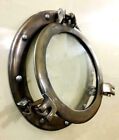 | Vintage 15"-Window Antique Ship Glass Wall Décor Porthole Canal Boat Porthole $63.00 | |
 | Pendulux Nautical Porthole Mirror Brass & Aluminum Ship Wall Decor New $119.99 | |
|
|  | Vintage Nautical Brass Ship Porthole Glass Over All 7.75" I.D. 5" $75.00 | |
 | Vintage Brass Ship Boat Salvage Porthole Window Nautical Beach Maritime Decor #4 $71.10 | |
|
|  | Vintage Antique Nautical Porthole Window Ship Maritime Boat (broken glass) $299.99 | |
 | Vintage Brass 12 inch Glass Porthole Shiny Finish Boat Window Nautical Ship $37.99 | |
|
| 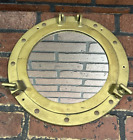 | Vintage Brass 11-inch porthole, mirrored $54.99 | |
 | Nautical Antique Brass Porthole 12 inch Ship Boat Window & Wall Porthole Decor $42.00 | |
|
|  | (2) Antique Brass Porthole Nautical Maritime Ship Boat Window Home Décor Style $49.99 | |
 | 12"Brass Shinny Finish Wall Hanging Nautical Home Decorative Window Porthole New $39.90 | |
|
|  | Antique Brass Finish Port Hole 17" Nautical Maritime Boat Ship Window Wall Glass $77.35 | |
 | Vintage Port Hole Off A 1949 Crab Boat $90.00 | |
|
|  | Vintage Antique Nautical Octagon Brass Bronze Porthole Ship Maritime $150.00 | |
 | Vintage 31 Lb Brass Porthole Clean 12"Dia Glass ~ Salvaged Maine Used Maritime $198.00 | |
|
|  | Vintage Repro Nautical Maritime Brass 11” Ship Porthole Window $35.00 | |
 | Vintage Marine Nautical Rectangle Bronze Port Hole With Trim Pieces 14"x7" $98.95 | |
|
|  | 8" Seaflo Porthole Boat Marine Round Rv Hatches Port Lights Windows White $32.39 | |
 | Ships Porthole Glass Window Aluminum Chrome Finish 20" Round Nautical Wall Decor $131.99 | |
|
|  | old vintage ships porthole clean very large round size marine nautical boat 19 $549.00 | |
 | Big Antique Solid Bronze Ship Boat Porthole Window 3-Dog 12" Glass 16" Dia Wwii $425.00 | |
|
|  | Vintage Boat Ship Authentic Salvaged Chromed Brass Port Hole Window Porthole $74.99 | |
 | Vintage Nautical Marine Boat Ship Brass Porthole Window Wc 8 Wilcox Crittenden $149.99 | |
|
|  | 10"brass 6"glass Inch Bronze Porthole Port Ship Boat Brass Man Cave $350.00 | |
 | Chromed brass porthole 9” by 5” $200.00 | |
|
|  | Porthole Brass Antique Maritime Nautical Ship Mirror Wall Decorative Designer $42.38 | |
 | Nautical Brass Ship Porthole W / Glass & Storm Cover Glass 15" dia. Genuine $900.00 | |
|
|  | 11" Porthole Mirror, Chrome Finish, Nautical Wall Decor, Working Port Hole $49.97 | |
 | Vintage bronze or brass porthole, Wilcox Crittenden Wc # 8 $65.00 | |
|
|  | New ListingVintage Ship Boat Marine Porthole Window Large 20” Diameter Nautical Decor $69.99 | |
 | Vintage Nautical Porthole Windows with Wooden Stands Set of 2 $2,000.00 | |
|
| 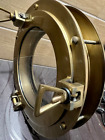 | Antique Brass Finish Window Boat Porthole Window Door Glass Porthole $89.99 | |
 | Vintage Nautical Porthole For 9” Opening 11 1/2" Od Brass/Bronze Excellent Glass $151.99 | |
|
|  | Antique Brass Porthole Vintage 5 5/8" Glass from Rockport Ma Estate P6578 $69.30 | |
 | Vintage Bronze Round Porthole Window 6-1/2” $150.00 | |
|
|  | Vintage ( Nautical) Porthole Ashtray 4"1/2 Brass/ See Photos $48.00 | |
 | Chromed Brass Boat Porthole Window Cris Craft ? Have 4 Can Buy 1 Or 4 15 Inch $123.49 | |
|
|  | Antique Brass Porthole, Maritime Port Hole Boat Ship Window Wall Porthole Decor $149.99 | |
 | Ship's Cabin 9" Porthole No Glass Aluminum Silver Finish Round Nautical Decor $29.98 | |
|
|  | Chromed Brass Rectangular Porthole Window $99.00 | |
 | $119.89 | |
|
|  | Isure Marine Anodized Aluminum Push Out Deck Hatch Square Opening Boat Yacht $66.27 to | |
 | 🛥️ Vintage Maritime Salvage Lot – Bronze Propeller, Ship Portholes, Valve Wheel $425.00 | |
|
|  | New ListingAntique 16" Brass Port Hole. Very old. $225.99 | |
 | Ship Boat Wall Window Home decorative style 17" Brass Porthole Nautical Maritime $68.25 | |
|
|  | Copper Antique Porthole Transparent Glass Round Port Hole Ship Windows Gift $38.15 | |
 | Vtg Marine Boat Round Brass Porthole Portlight Window 12-1/4" Diameter Cutout $425.00 | |
|
|  | Set Of 2 Brass Antique Finish 12 Inches Canal Boat Porthole Window Ship Porthole $265.88 | |
 | Nautical Submarine Replica Antique Brass Ship Round Marine Porthole Window $171.00 | |
|
| 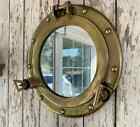 | Round Window Mirror Nautical Boat Ship 15"Brass Maritime Porthole Port Gift Item $67.50 | |
 | New ListingVintage Great Lakes Ship Porthole Window 21" Original Maritime Port Hole w/Glass $420.00 | |
|
|  | Vintage Bronze Brass Battle Ship Porthole Window Fl Estate 9" 12" Antique $195.00 | |
|
| Click to see more Portholes items at www.ebay.com
Prices current as of last update, 07/03/25 7:32pm.
|
|
|






 Home
Home Anchors